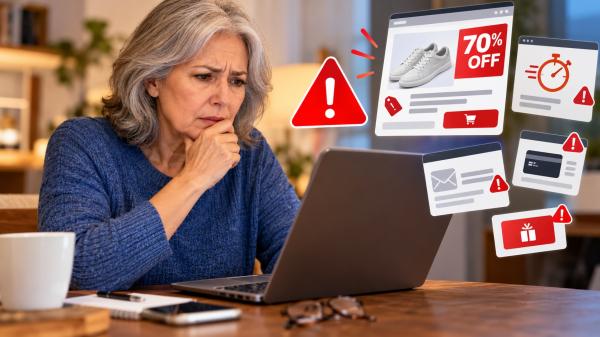
A great deal can be tempting, especially when it promises significant savings on something you need. You might find it in a social media advertisement, an email, or a website you have never visited before. But some online offers are designed to take your money or steal your personal information.
Knowing the signs of an online scam can help you make safer decisions before you buy. Fraudulent offers do not always look suspicious at first. Some use professional websites, familiar company names, and convincing customer reviews.
Here are seven warning signs to watch for and practical steps to verify an offer before you act.
1. The Price Seems Too Good to Be True
An unusually low price is one of the first warning signs to consider. A website might advertise an expensive electronic device, designer handbag, or popular household appliance for a fraction of its usual price.
Legitimate businesses offer discounts, clearance sales, and seasonal promotions. However, a price far below what established retailers charge deserves closer inspection.
Scammers may use attractive prices to encourage quick purchases. Once you pay, you might receive a counterfeit product, an item that differs from the description, or nothing at all.
What to do: Compare the price with several established retailers. Check whether the seller provides realistic product descriptions, clear shipping information, and a reasonable return policy. The Federal Trade Commission offers additional advice on buying from online marketplaces.
2. The Offer Pressures You to Act Immediately
Some online offers rely on urgency rather than giving you time to make an informed decision.
You might see a countdown timer, a message claiming that only one item remains, or a warning that a discount will disappear within minutes. These tactics can make you feel that you must buy immediately.
Real businesses sometimes run limited-time promotions. The presence of a deadline alone does not prove fraud. The concern arises when pressure makes it difficult to verify the seller or understand the terms.
A trustworthy offer should withstand reasonable questions.
What to do: Pause before making a purchase. Open another browser tab and research the seller independently. If the offer disappears while you are checking its legitimacy, you can walk away. Missing a discount is better than risking your money.
3. The Website or Seller Is Difficult to Verify
A professional-looking website does not guarantee that a business is legitimate. Fraudulent sellers can use polished designs, convincing product photographs, and business names that resemble established retailers.
Look for warning signs such as:
- Missing contact information or a vague business address.
- No clear shipping, refund, or return policies.
- Inconsistent business names across the website and payment page.
- Product descriptions that contain confusing or contradictory details.
- A seller with no independently verifiable history.
Be careful when a website uses a familiar brand name with a slightly different web address.
Also, remember that a padlock icon or an address beginning with HTTPS indicates an encrypted connection. It does not prove that the seller is honest.
What to do: Find the company’s official website independently instead of relying on the advertisement’s link. Check its contact details and policies. Search for independent reviews, complaints, and reports about the business.
No single missing detail proves fraud, but several inconsistencies should make you reconsider the purchase.
4. The Seller Requests an Unusual Payment Method
How a seller asks you to pay can reveal important information about an offer.
Be particularly cautious if an unfamiliar seller insists that you pay through gift cards, cryptocurrency, wire transfers, or another method that makes recovering your money difficult.
A seller might also ask you to leave a reputable marketplace and complete the transaction through a separate payment channel. Doing so can remove protections offered by the original platform.
These requests are especially concerning when the seller refuses ordinary payment options or pressures you to pay immediately.
What to do: Choose a payment method that offers appropriate consumer protections. Credit cards generally provide useful dispute rights for eligible transactions. Review your card issuer’s terms before purchasing.
Never share gift card codes or send cryptocurrency simply because a seller claims that a payment is required to secure a discount.
If you have already paid and suspect fraud, contact your bank or payment provider promptly. Ask whether the transaction can be stopped, disputed, or reversed.
5. The Offer Arrives Through an Unexpected Message
An attractive offer may arrive in an email, text message, social media message, or online advertisement.
The message might claim that a familiar retailer is holding a special sale. It could also advertise a prize, an exclusive promotion, or a product that is supposedly available only through a private link.
Scammers sometimes impersonate recognizable businesses to make fraudulent offers seem trustworthy. Their messages may contain links to websites that collect payment details or personal information.
Even a message that includes a familiar logo can be fraudulent.
What to do: Avoid clicking links in unexpected messages. If the offer appears to come from a company you know, visit its official website directly or contact the company through independently verified information.
You can also check the company’s official social media accounts to see whether the promotion is genuine.
If you receive a suspicious message, do not reply with personal information or security codes.
6. The Seller Requests Unnecessary Personal Information
An ordinary online purchase may require your name, shipping address, and payment information. However, some requests go beyond what the transaction reasonably requires.
Be suspicious if a seller asks for your bank account password, a one-time verification code, or sensitive identity information without a clear and legitimate reason.
For example, an unfamiliar website might claim that it needs your account password to confirm your eligibility for a discount. Another might ask you to provide a security code supposedly to release a promotional reward.
These requests can expose your accounts to unauthorized access.
What to do: Provide only the information necessary to complete a legitimate transaction. Never disclose your passwords or one-time security codes to someone offering a deal.
If you entered sensitive information on a suspicious website, change any affected passwords immediately. Contact the relevant financial institution if you shared banking details. Monitor your accounts for unfamiliar activity.
If someone misuses your identity, IdentityTheft.gov provides official recovery guidance.
7. The Reviews and Claims Do Not Add Up
Customer reviews can help you evaluate an unfamiliar seller, but they should not be your only source of information.
Fraudulent or misleading offers may display unusually enthusiastic testimonials, repeated phrases, or claims that sound too perfect to be credible. A product might promise guaranteed results without providing meaningful evidence.
Other warning signs include reviews that describe a different product, photographs that appear unrelated to the listing, or claims that conflict with information from independent sources.
A large number of positive ratings does not automatically establish that a business is trustworthy.
What to do: Read a mixture of positive and negative reviews. Look for specific details about shipping, product quality, customer service, and refunds. Search for information outside the seller’s own website.
Pay attention to whether independent sources provide consistent information about the business.
If the reviews seem unreliable and the offer also has other warning signs, consider buying elsewhere.
How to Check an Online Offer Before You Pay
You do not need to investigate every purchase extensively. A few simple checks can help you avoid many suspicious offers.
Before paying, ask yourself:
- Can I verify the seller? Find the official website and check the business’s contact information.
- Is the price realistic? Compare it with prices from established retailers.
- Are the terms clear? Review shipping costs, delivery estimates, and refund policies.
- Can I pay safely? Avoid sellers who insist on difficult-to-reverse payments.
- Is the offer independently confirmed? Check the company’s official website or contact its customer service team through verified details.
- Am I being asked for too much information? Do not share passwords or security codes to claim a promotion.
The Federal Trade Commission’s consumer advice website provides additional information about online shopping and common fraud tactics.
Remember that no single check can guarantee a seller’s legitimacy. Look at the overall picture and take additional time when several details seem questionable.
What to Do If You Already Responded to a Suspicious Offer
Discovering that an offer may be fraudulent can be upsetting. However, acting quickly may help limit the damage.
Your next steps depend on what happened.
If you sent money: Contact your bank, credit card issuer, or payment service immediately. Explain that you suspect fraud and ask whether the payment can be stopped or disputed.
If you shared a password: Change it immediately, especially if you use the same password on other accounts. Enable multifactor authentication where available.
If you shared banking information: Contact your financial institution and explain what happened. Ask whether you should secure or replace affected accounts or cards.
If you shared sensitive identity information: Visit IdentityTheft.gov for guidance on reporting identity theft and creating a recovery plan.
If you believe you encountered a scam: Report it to the Federal Trade Commission at ReportFraud.ftc.gov. You can also report a dishonest seller to the online marketplace where you found the offer.
Keep copies of receipts, messages, emails, and transaction records. These details may help your bank, payment provider, or the relevant reporting agency understand what happened.
You do not need to feel embarrassed about being targeted. Fraudulent offers can be convincing, and recognizing a problem afterward is an important step toward protecting yourself.
The simplest rule is also one of the most useful: pause, verify, and then decide. A worthwhile offer should not require you to ignore warning signs, rush into a payment, or surrender sensitive information without a legitimate reason.
Taking a few minutes to check the details can help you shop with greater confidence and avoid unnecessary risks.
- 1. The Price Seems Too Good to Be True
- 2. The Offer Pressures You to Act Immediately
- 3. The Website or Seller Is Difficult to Verify
- 4. The Seller Requests an Unusual Payment Method
- 5. The Offer Arrives Through an Unexpected Message
- 6. The Seller Requests Unnecessary Personal Information
- 7. The Reviews and Claims Do Not Add Up
- How to Check an Online Offer Before You Pay
- What to Do If You Already Responded to a Suspicious Offer