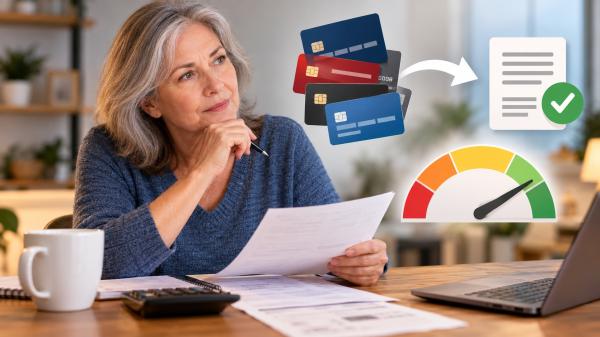
Debt consolidation can hurt your credit score temporarily, but it does not always have a negative effect. The impact depends on how you consolidate your debt, whether you apply for new credit, and how you manage your payments afterward.
For some borrowers, a consolidation loan or balance transfer may reduce credit card balances and make repayment easier to manage. However, applying for new credit can lead to a hard inquiry, and opening another account may affect your credit history.
Understanding these potential effects can help you compare your options before making a decision.
How Debt Consolidation Can Hurt Your Credit
Debt consolidation generally combines multiple debts into one payment or replaces existing debts with a new credit arrangement. Although this approach may simplify repayment, several factors can affect your credit score.
1. Applying for a New Loan Can Trigger a Hard Inquiry
When you apply for a debt consolidation loan or balance transfer credit card, the lender may check your credit report. This is usually called a hard inquiry.
Hard inquiries can lower your credit score because scoring models consider how recently and how frequently you have applied for credit. The impact varies depending on your credit profile and the scoring model used.
A single inquiry generally has a limited effect, but several applications within a short period may create additional concerns.
Before applying, ask whether a lender offers prequalification with a soft credit inquiry. Soft inquiries do not affect your credit score. Confirm the type of credit check before proceeding.
2. Opening a New Account Can Affect Your Credit History
A consolidation loan creates a new credit account. A balance transfer card also adds a new account if you do not already have that card.
Credit scoring models consider factors such as account age, recent credit activity, payment history, and the types of credit you use.
Opening a new account can therefore affect your score. The effect depends on your existing credit history and other information in your credit reports.
Over time, making payments consistently may help support your credit profile. However, opening a new account does not guarantee an improvement.
3. Missed Payments Can Create Bigger Problems
A consolidation loan does not eliminate the obligation to repay your debt. It changes how the debt is structured.
If you miss payments on the new loan, your credit history may suffer. Late payments on existing accounts can also cause problems if those accounts remain unpaid during the transition.
Before consolidating, confirm when the new account becomes active and when the original debts will be paid. Continue making required payments on your existing accounts until their balances and payment obligations are properly resolved.
Payment history is an important factor in credit scoring. Consistent, on-time payments can help maintain a healthier credit profile.
4. Taking on New Debt Can Undermine Your Progress
Suppose you use a consolidation loan to pay off three credit cards. Those cards may show lower balances, but their available credit could tempt you to spend again.
If you accumulate new balances while repaying the consolidation loan, your total debt may increase rather than decrease.
This situation can make repayment more difficult and increase the risk of missed payments. It may also raise your credit utilization if your credit card balances grow.
Consolidation works differently depending on how you manage your finances afterward. Replacing several payments with one does not automatically solve the underlying debt problem.
How Debt Consolidation Can Help Your Credit
Debt consolidation can also have potential benefits for your credit profile. These benefits are not guaranteed, but understanding them helps explain why the outcome differs from one borrower to another.
Lower Credit Utilization
Credit utilization measures how much of your available revolving credit you are using. It is commonly calculated by comparing credit card balances with credit limits.
For example, imagine you have two credit cards with a combined limit of $10,000 and balances totaling $7,000. Your overall utilization is 70%.
If a consolidation loan pays off those card balances, your reported credit card utilization may fall substantially once the issuers update their records.
Lower utilization may support a higher credit score. However, the new loan balance, account changes, and other scoring factors also matter.
A balance transfer can produce a different result. Moving debt to another credit card may lower utilization on one account while increasing it on another. The new card’s credit limit and your total available credit can influence the outcome.
A More Manageable Payment Schedule
Combining several payments into one may make it easier to keep track of due dates. If the new arrangement has a manageable payment and you consistently pay on time, it may support your credit history over time.
However, a lower monthly payment does not necessarily mean a lower total cost. A longer repayment term can increase the interest paid over the life of a loan.
Compare the annual percentage rate (APR), fees, repayment period, monthly payment, and total amount payable before evaluating whether consolidation makes financial sense.
A Chance to Establish Consistent Payment Habits
If several bills have become difficult to manage, simplifying repayment may help you organize your monthly obligations.
The potential benefit comes from managing the debt responsibly, not simply from opening a consolidation account.
Credit scores reflect reported financial behavior over time. Consolidation alone cannot erase accurate negative information or guarantee that a score will rise.
Does the Type of Debt Consolidation Matter?
Yes. Different consolidation methods can affect your credit in different ways.
Consolidation method
Potential credit impact
Main consideration
Personal consolidation loan
A hard inquiry and new account may affect your score. Paying off credit card balances may reduce utilization.
Compare APR, fees, term, and total repayment cost.
Balance transfer credit card
Applying may trigger a hard inquiry. Moving balances can change utilization across accounts.
Check transfer fees, promotional terms, and the rate after the introductory period.
Debt management plan
Effects depend on the arrangement and how creditors report accounts and payments.
Ask the credit counselor how participating creditors may report the plan.
Home equity loan or line of credit
Applying may trigger a hard inquiry and create a new obligation.
Your home may be at risk if you cannot make required payments.
These methods are not interchangeable. A debt management plan arranged through a credit counseling agency, for example, is different from taking out a new loan.
Before choosing a method, review the terms and ask how the arrangement may affect your credit reports.
How to Limit the Potential Credit Impact
You cannot control every factor used in credit scoring, but you can take steps to understand the risks and manage your accounts carefully.
Compare Offers Before Submitting Applications
Ask lenders whether they offer prequalification through a soft inquiry. Compare available terms before authorizing a hard credit check.
Do not assume that every lender uses the same process. Ask what happens to your credit report at each stage of the application.
Keep Making Required Payments
Do not stop paying existing creditors simply because you have applied for consolidation. An application does not mean your debts have been paid.
Confirm when the new lender will send funds and verify that the original accounts reflect the expected payments. Keep records of transactions and account confirmations.
Avoid Accumulating New Credit Card Balances
If consolidation pays off your credit cards, consider how you will use those accounts afterward.
New spending can rebuild balances and make repayment harder. A realistic budget can help you cover ordinary expenses without relying on additional borrowing.
Review Your Credit Reports
Check your credit reports for accurate balances, payment records, and account information after consolidation.
You can request free credit reports through AnnualCreditReport.com. Checking your own reports does not hurt your credit score.
If you find an error, follow the appropriate dispute process with the credit reporting company and, when relevant, the company that supplied the information.
Evaluate the Total Cost, Not Just the Monthly Payment
A consolidation offer may advertise a lower monthly payment while extending repayment over a longer period.
Compare the full cost of the new arrangement with the cost of keeping your existing debts. Include applicable fees and interest, and account for any promotional rate that may later expire.
The goal is to understand whether the arrangement makes repayment more manageable without creating unnecessary additional costs.
Frequently Asked Questions
How long does debt consolidation affect your credit score?
There is no single timeline for every borrower. A hard inquiry may remain on a credit report for up to two years, although scoring models may consider inquiries over a shorter period. A new account can affect credit history for longer, while changes in reported balances and payment behavior may influence scores as creditors update their information.
Can debt consolidation improve your credit score?
It can, but an increase is not guaranteed. Paying down credit card balances may reduce credit utilization, and consistent payments may support your credit profile. However, hard inquiries, new accounts, missed payments, and other factors can offset potential benefits.
Does checking loan offers hurt your credit?
Not necessarily. Checking your own credit report does not lower your score, and a lender’s soft inquiry does not affect it either. A hard inquiry associated with a credit application may affect your score. Ask the lender which type of inquiry it will use before applying.
Is debt consolidation the same as debt settlement?
No. Debt consolidation generally combines debts or replaces them with another repayment arrangement. Debt settlement involves negotiating with creditors to accept less than the full amount owed. Settlement can carry different risks, including potential credit damage, fees, and possible tax consequences. Understand which service a company actually provides before agreeing to its terms.
Bottom Line
Debt consolidation can temporarily lower your credit score, but the effect varies with your credit history, the method you choose, and your repayment behavior.
Paying down credit card balances may reduce credit utilization, while consistent payments can support your credit profile over time. New inquiries, account changes, missed payments, and additional borrowing may work against those potential benefits.
Before consolidating, compare interest rates, fees, repayment terms, and total costs. Ask how the lender checks your credit and verify that the arrangement fits your budget. A clear repayment plan matters more than the promise of a quick credit-score improvement.
Sources
- Consumer Financial Protection Bureau (CFPB): What do I need to know about consolidating my credit card debt?
- Consumer Financial Protection Bureau (CFPB): What is a credit inquiry?
- Consumer Financial Protection Bureau (CFPB): How to rebuild your credit
- myFICO: How a Debt Consolidation Loan Impacts Your FICO Scores
- AnnualCreditReport.com: Official credit report access
This article provides general information and is not individualized financial, tax, or legal advice.
- How Debt Consolidation Can Hurt Your Credit
- 1. Applying for a New Loan Can Trigger a Hard Inquiry
- 2. Opening a New Account Can Affect Your Credit History
- 3. Missed Payments Can Create Bigger Problems
- 4. Taking on New Debt Can Undermine Your Progress
- How Debt Consolidation Can Help Your Credit
- Lower Credit Utilization
- A More Manageable Payment Schedule
- A Chance to Establish Consistent Payment Habits
- Does the Type of Debt Consolidation Matter?
- Consolidation method
- Potential credit impact
- Main consideration
- Personal consolidation loan
- Balance transfer credit card
- Debt management plan
- Home equity loan or line of credit
- How to Limit the Potential Credit Impact
- Compare Offers Before Submitting Applications
- Keep Making Required Payments
- Avoid Accumulating New Credit Card Balances
- Review Your Credit Reports
- Evaluate the Total Cost, Not Just the Monthly Payment
- Frequently Asked Questions
- How long does debt consolidation affect your credit score?
- Can debt consolidation improve your credit score?
- Does checking loan offers hurt your credit?
- Is debt consolidation the same as debt settlement?
- Bottom Line
- Sources