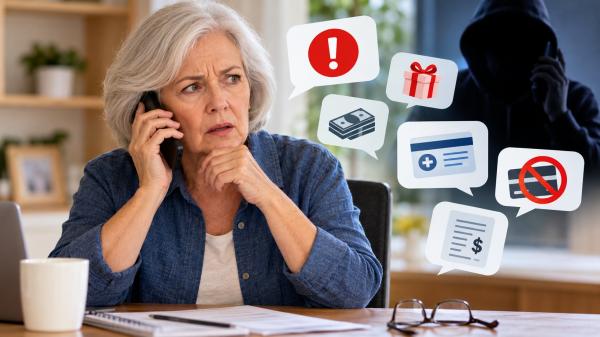
A phone call about your Medicare coverage can sound convincing, especially when the person on the other end claims there is a problem with your benefits. A message might promise extra coverage, offer free medical equipment, or warn that you must act immediately to keep your benefits.
These situations deserve careful attention. Scammers often pretend to represent trusted organizations to obtain personal information or money. Some also use stolen information to submit fraudulent medical claims.
Knowing the warning signs can help you protect your information and respond calmly. You do not need to determine whether every unexpected message is legitimate on the spot. You can stop, verify the request independently, and decide what to do next.
6 Warning Signs of a Medicare Scam
1. Someone Pressures You to Act Immediately
A caller may claim your coverage will end unless you confirm your information right away. Another may warn that you will lose access to benefits if you do not follow specific instructions.
Pressure is a reason to pause. Do not make decisions about your coverage because someone demands an immediate answer. End the conversation and contact Medicare through an official channel.
2. The Caller Requests Sensitive Personal Information
Your Medicare number is valuable because someone could misuse it to submit fraudulent medical claims. Scammers may also ask for your Social Security number, bank account details, or credit card information.
Be especially cautious when an unexpected caller requests these details. Medicare advises beneficiaries not to share personal information with someone who contacts them unexpectedly unless they have independently verified the situation.
3. Someone Promises Free Gifts or Extra Benefits
An offer of free medical equipment, cash, or other benefits may sound appealing. However, scammers can use these promises to obtain Medicare numbers and bill the program for services or equipment that beneficiaries never requested.
Be cautious if someone offers medical supplies without asking about your actual healthcare needs. Discuss equipment or treatment needs with your healthcare provider instead.
4. Someone Demands an Unusual Payment
A person claiming to represent Medicare might ask you to pay through gift cards, cryptocurrency, a wire transfer, or another unusual method.
Do not send money simply because the caller claims the payment is urgent. Medicare provides official channels for questions about coverage, premiums, and benefits. Verify any payment request independently before taking action.
5. You Are Told You Must Pay for a New Medicare Card
A caller might claim that you need a replacement card, an upgraded card, or a new number to keep your coverage active.
Medicare sends its official cards without charging a fee for the card itself. You can request a replacement through Medicare’s official website or by calling 1-800-MEDICARE. Someone who unexpectedly demands payment for a Medicare card is displaying a major scam warning sign.
6. Your Medical Statements Show Unfamiliar Charges
Not every Medicare scam begins with a phone call. Sometimes, the first warning sign appears on a medical statement.
Look for services you did not receive, equipment you never ordered, unfamiliar providers, or duplicate charges. These entries could reflect a billing mistake, but they may also indicate possible fraud or medical identity theft.
Compare your statements with your appointments and receipts. Contact the healthcare provider if something looks incorrect, and report suspected Medicare fraud through an official channel.
How to Verify Whether a Medicare Communication Is Legitimate
You do not have to rely on a stranger’s explanation to determine whether a request is genuine. Take these steps before sharing information or making a decision.
- Hang up and verify independently. If someone unexpectedly claims to represent Medicare, end the call and contact Medicare directly.
- Use official contact information. Call 1-800-MEDICARE at 1-800-633-4227 or visit Medicare.gov.
- Do not trust caller ID alone. Scammers can make a call appear to come from a familiar number.
- Avoid suspicious links. Do not click unexpected links or provide information through an unverified website.
- Check the rules for plan representatives. Medicare health plan representatives must follow specific marketing rules. For example, they generally cannot visit your home uninvited or call you without permission, subject to applicable exceptions.
One important distinction: Medicare does make some legitimate calls in limited circumstances, such as returning a call or following up on certain matters. The key is to verify the purpose through an official channel rather than automatically trusting or dismissing every communication.
What to Do If You Suspect a Medicare Scam
If you think someone has tried to scam you, or you have already shared information, take the following steps.
- Stop communicating with the suspected scammer. Do not provide more information or send money.
- Contact Medicare. Call 1-800-MEDICARE or use the official website to report suspicious activity and ask about your coverage.
- Review your medical claims. Check your Medicare statements and contact providers about unfamiliar services or charges.
- Protect exposed financial information. If you shared bank or credit card details, contact your financial institution promptly and explain what happened.
- Address possible identity theft. If you shared sensitive personal information, visit IdentityTheft.gov for guidance on appropriate next steps.
- Keep relevant records. Save suspicious messages, dates, phone numbers, and receipts when available. Do not continue engaging with the suspected scammer to collect more evidence.
You do not need to feel embarrassed if you responded to a convincing message. Scams can be sophisticated, and acting promptly matters more than blaming yourself.
Where to Report Medicare Fraud
Several official resources can help, depending on what happened.
- Medicare: Call 1-800-MEDICARE (1-800-633-4227) or visit Medicare’s fraud and abuse reporting page.
- HHS Office of Inspector General: Report suspected healthcare fraud through the OIG Hotline or call 1-800-HHS-TIPS (1-800-447-8477).
- Senior Medicare Patrol: Call 1-877-808-2468 for assistance identifying, preventing, and reporting potential Medicare fraud, errors, and abuse.
- Federal Trade Commission: If you suspect identity theft, visit IdentityTheft.gov
- 6 Warning Signs of a Medicare Scam
- 1. Someone Pressures You to Act Immediately
- 2. The Caller Requests Sensitive Personal Information
- 3. Someone Promises Free Gifts or Extra Benefits
- 4. Someone Demands an Unusual Payment
- 5. You Are Told You Must Pay for a New Medicare Card
- 6. Your Medical Statements Show Unfamiliar Charges
- How to Verify Whether a Medicare Communication Is Legitimate
- What to Do If You Suspect a Medicare Scam
- Where to Report Medicare Fraud